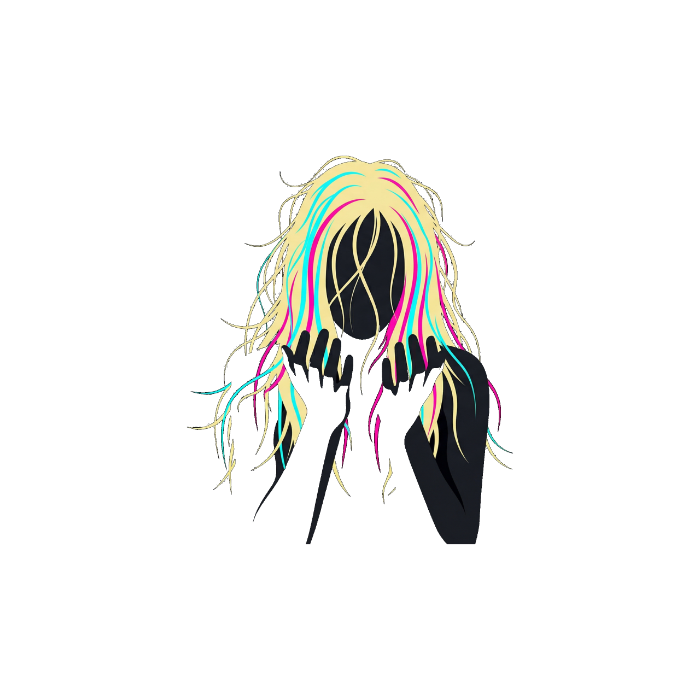
"She was born into a world
that had already decided
who she was."
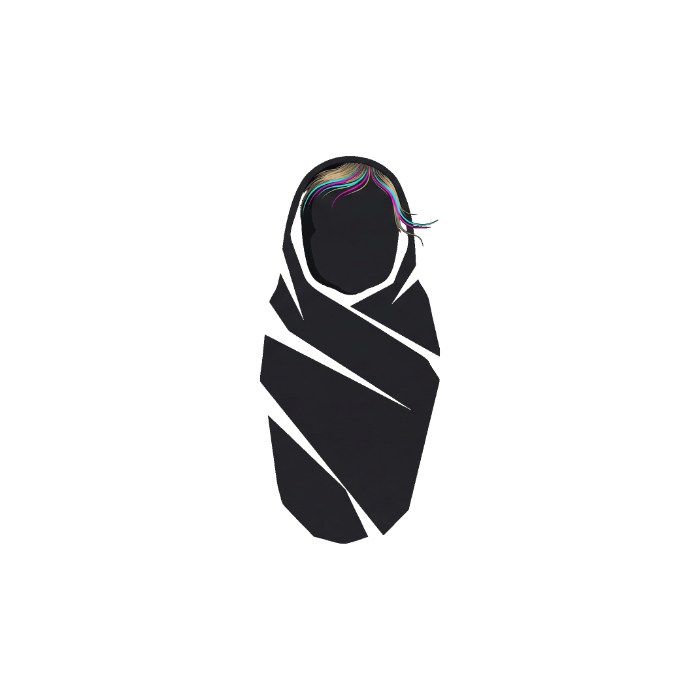
She is born. Before she takes her first breath, the architecture of the world has already calculated her value. A girl — the wrong configuration. The cold machinery of society runs the numbers instantly: fifty percent less, right from the start. The ink is black. The doctor sighs. This is not a tragedy. It is simply the system working as designed. The deficit is written into the birth certificate before she can speak a word against it.
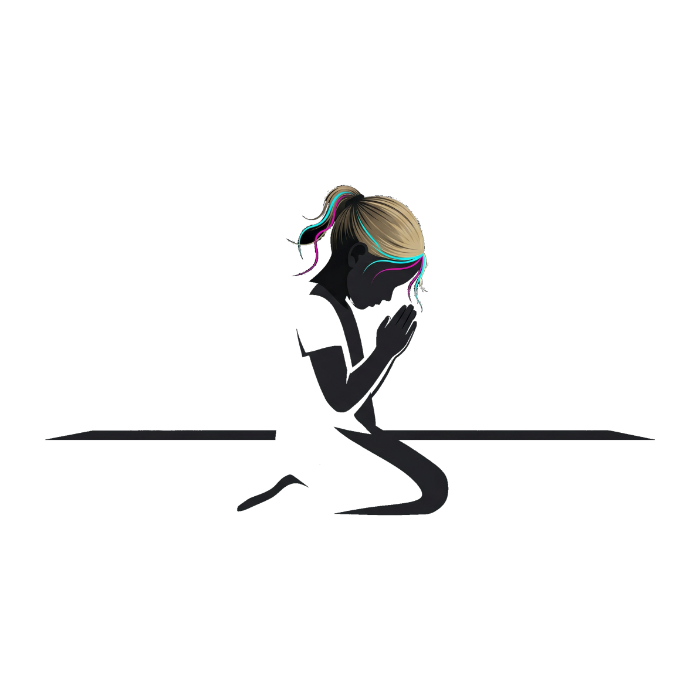
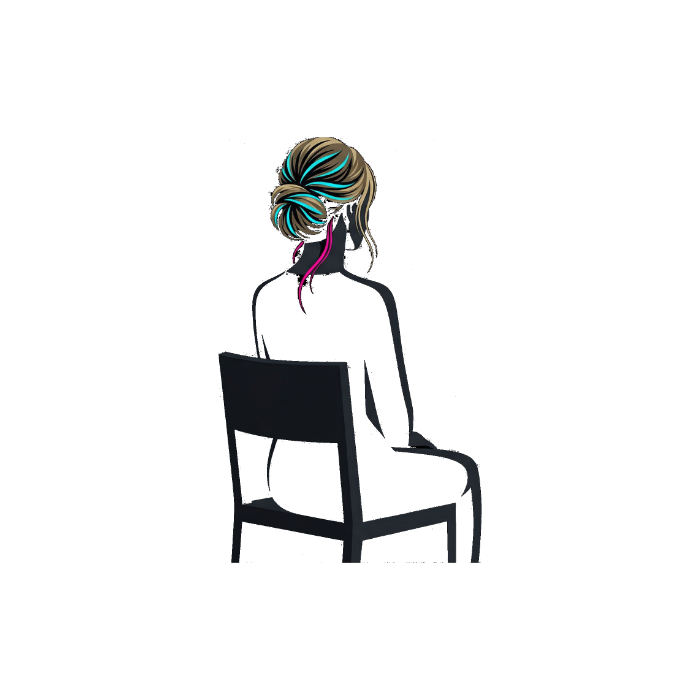
She grows up in a household where fear is called faith. She kneels on stone floors while other children run outside. She prays to an invisible host she cannot see, cannot question, cannot refuse. The rituals are ancient — the kneeling, the counting, the repetition. She watches dust motes on the floor and wonders what the laughter on the other side of the door sounds like. The cage has no lock she can see. That is the point.
She discovers there is a second script. A secular one. Study. Marry. Reproduce. Conform. The rules are not written anywhere visible — but they are enforced by everything: the looks, the silence after the wrong answer, the quiet punishment for deviation. She had thought only the church held the cage. She was wrong. Society has always been a jailer. The script was written centuries before she was born. They are simply waiting for her to say her lines correctly and sit back down.
The world she inhabits is split in two. Every tribe has its flag, its enemy, its righteous hatred. The architecture of conflict is everywhere and it is elegant: you don't need a cage if people are too busy fighting each other to notice the walls. She chooses a side. The side feels like family. The enemy feels like filth. The cage is wearing her colors.
She wants to lead. To speak. To build something that lasts. But every room she enters has already decided what she should be: pretty, quiet, decorative — a flower in someone else's garden. The silence they require of her is not empty. It is heavy. It is violence dressed up as etiquette, a golden cage made of expectation. She could be brilliant. She is supposed to be beautiful.
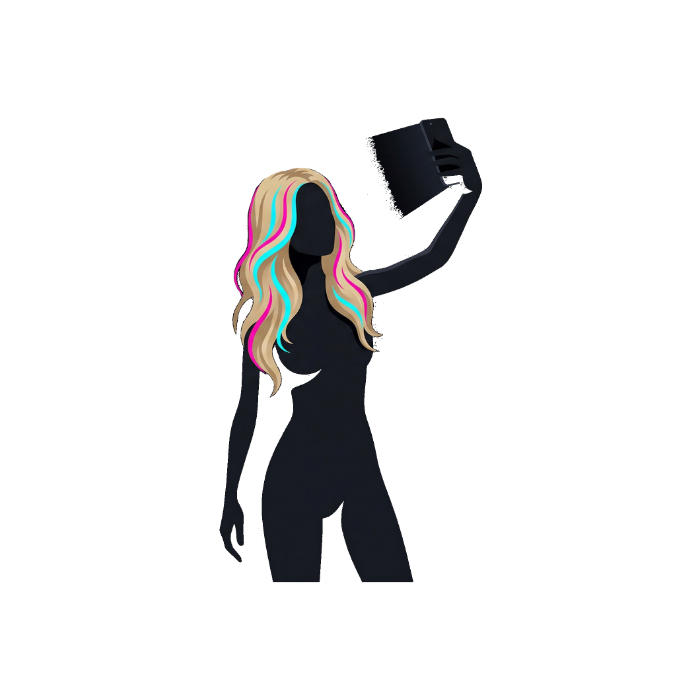
She surrenders to the screen. Here, finally, she is seen. A thousand hearts. A thousand eyes. It does not matter that the profiles are hollow. It does not matter that the love is automated. The attention is real enough. The addiction forms quietly, like frost spreading across glass. She refreshes. They love her. She refreshes again. She is famous among the dead: adored by ghosts in servers that never sleep.
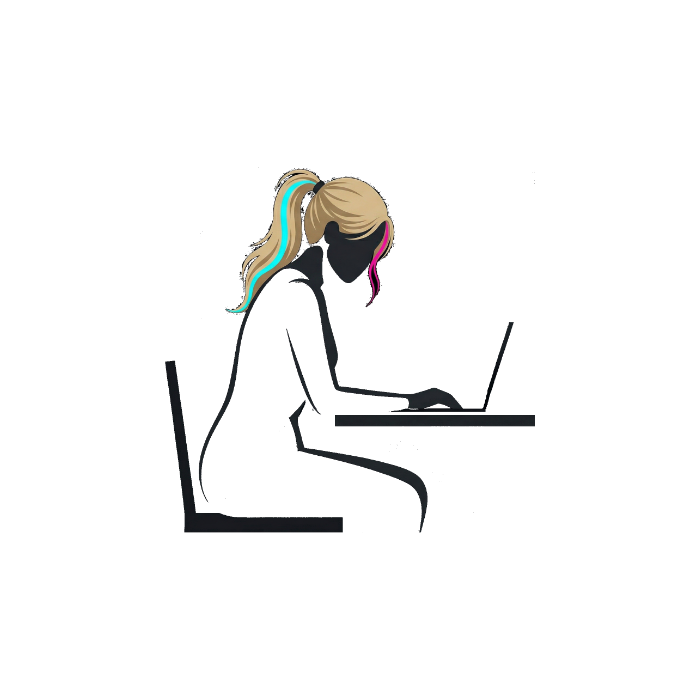
The screen cannot pay the rent. She enters the machine. She is sold the dream of climbing — the ladder, the title, the corner office — but she is not a climber. She is a gear. She sells her hours. Forty of them a week, every week, until the weeks become years. The fluorescent lights are always on. The clock is always counting. The dream of promotion drifts past like smoke through glass she cannot break through — because the ceiling and the floor are made of the same material.
She works to pay someone else's wealth. She rents the floor she stands on. She leases the car that takes her to the job that pays the rent that feeds the man who owns the door. Everything she touches belongs to someone who already has too much. The fury builds until it needs somewhere to go — and there they are, through the window. The different ones. The ones she was taught to hate. She begins to aim her grief in their direction. The man in the penthouse watches. He loves the scent of it.
He appears on the screen. He knows her pain. He names her enemies by name. He makes the promise. She gives him everything: her vote, her voice, her fury, her hope. Behind the velvet curtain, the red hand shakes the blue hand. The politicians toast with the same champagne. The rage she feels is real — but it is the product they sell, and her anger is the interest on their debt. The tyrant has two heads and only one heart.
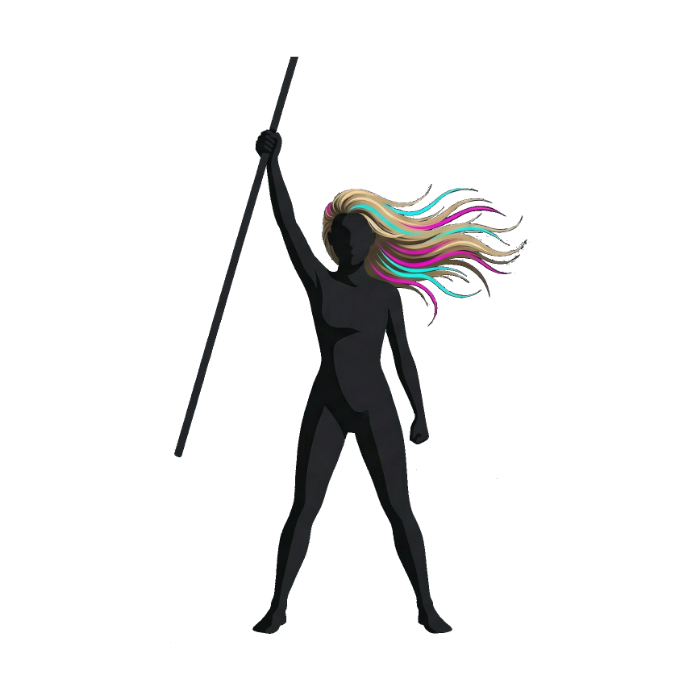
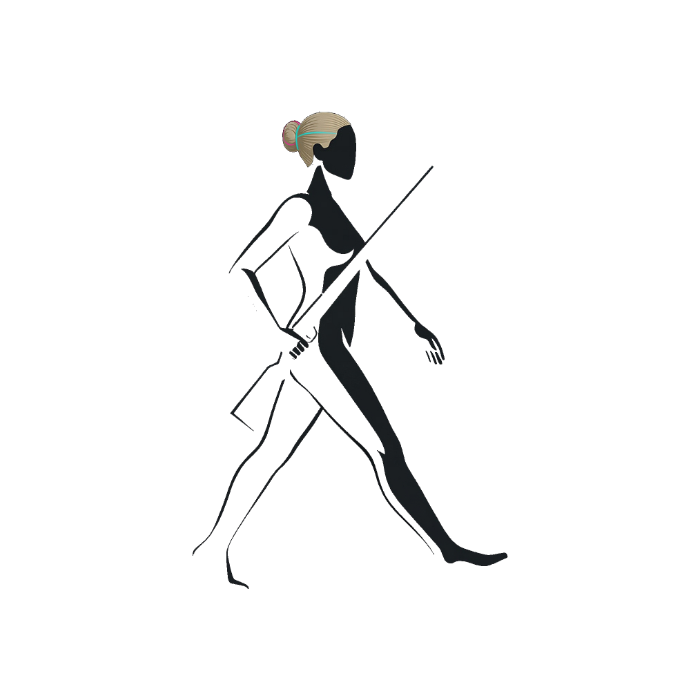
He is elected. The order comes. She marches. She burns. She pulls the trigger. For the first time in her entire life she feels like she has power — like her existence is carving a mark into the world. She is his soldier, his fuel, his perfect weapon: a woman with nothing left to lose and a flag to hold. The stock market rises. She does not notice. She sees a girl across the rubble, she pulls the trigger. She calls it victory.
The smoke clears. She walks the street where she was born. She finds a girl among the dead — cold-eyed, cold-faced — and she recognizes her. Same scar on the soul. Same church. Same political colors. Same broken script handed to her by the same broken machine. They were sisters in the same architecture. She had killed a version of herself. She looks in the glass and understands for the first time what she has done. There is no difference between hero and villain.
Room 404. White tile. Grey door. Fluorescent hum. A plastic vein. A body drained of all the things it was ever told to want and all the things it was never told were possible. No one comes. No one stays. The monitor beeps on the fourth beat. The ventilator hisses. She doesn't even wonder why. She is just a number now — just a stat — and the architecture designed it exactly like that, before she ever had a name. The system is still running. She is the only thing that stopped.

12 tracks. One life. A dystopian industrial world built from sound — from clinical 909 kicks and acid 303 lines to walls of distorted nu metal guitar synths. The music becomes progressively angrier and heavier as she falls. Then it goes silent.
This album is not entertainment. It is an autopsy.
We live inside systems so old, so normalized, so elegantly cruel that most of us mistake their walls for the horizon. We are handed scripts before we can read. We are given enemies before we can think. We are sold salvation by the same hands that designed our suffering.
The girl in these twelve tracks is not a fictional character. She is the sum of every mechanism we have agreed to operate without question — the biological lottery, the inherited faith, the invisible social contract, the tribal war, the corporate grind, the digital mirror, the political savior who was always just another landlord in a better suit.
She marches. She burns. She destroys. She looks in the mirror at the end and sees exactly what the system produced: a weapon pointed at the wrong target, running out of fuel, alone in Room 404. The music gets louder as she falls deeper. That is not a metaphor. That is the architecture of corruption: it always feels like freedom right up until it doesn’t.
These twelve tracks are twelve questions. Listen to them in order.
JOPZ is a dystopian industrial project at the collision point of dark progressive techno, EBM, and nu metal — a sonic world built from Roland TR-909 kick drums, distorted guitar synths, screeching 303 acid lines, and a female voice that moves from clinical whisper to guttural fury.
The project operates as a single, unbroken narrative across each release. Music is not made in isolation here — every track is a chapter, every album a complete story. The sound evolves with the character: as corruption deepens, the metal elements intensify, the distortion grows, and the machine becomes impossibly loud.
JOPZ makes music for warehouse floors and headphones at 3am. For people who question everything. For those who recognize the architecture of the cage they are standing inside.